


Artificial Intelligence (AI) is no longer a futuristic concept—it is already reshaping the entertainment and media industry in powerful and unexpected ways. From movies and music to gaming, journalism, and digital content creation, AI is changing how content is produced, distributed, and consumed.
In 2025, AI has become a core part of modern entertainment, helping creators work faster, smarter, and more creatively than ever before. This article explores how AI is influencing entertainment and media, its benefits, challenges, and what the future holds.
AI in Entertainment and Media.
AI in entertainment and media refers to the use of machine learning, data analytics, automation, and intelligent algorithms to create, edit, recommend, and manage content. These systems can analyze massive amounts of data, recognize patterns, and make decisions with minimal human input.
AI tools are now used in:
- Film production
- Music composition
- Video editing
- Gaming and animation
- Journalism and news media
- Streaming platforms and content recommendations
AI in Film and Television Production.
Scriptwriting and Story Development
AI tools can analyze thousands of scripts to help writers develop better plots, predict audience interest, and even generate story ideas. While AI does not replace human creativity, it supports writers with structure, pacing, and genre analysis.
Visual Effects (VFX) and CGI.
AI-powered software is revolutionizing visual effects by:
- Automating background creation
- Enhancing image quality
- Creating realistic digital characters
- Reducing production time and costs
Movies now use AI to de-age actors, recreate faces, and generate realistic environments.
Virtual Actors and Deepfake Technology.
AI can create digital humans and virtual actors, opening new possibilities in filmmaking. While this technology offers creative freedom, it also raises ethical concerns regarding consent and authenticity.
AI in Music and Audio Entertainment.
Music Composition and Production.
AI tools can compose music, generate beats, and even mimic the style of famous artists. Independent creators use AI to produce background music, soundtracks, and jingles quickly and affordably.
Audio Enhancement and Mastering.
AI helps clean audio, remove noise, and automatically master tracks, making professional-quality sound accessible to small creators and podcasters.
AI in Gaming and Interactive Media.
AI plays a major role in modern gaming by:
- Creating intelligent non-player characters (NPCs)
- Adapting gameplay based on player behavior
- Enhancing realism and immersion
- Generating dynamic game environments
AI-driven games provide personalized experiences, making each player’s journey unique.
AI in Streaming Platforms and Content Recommendation.
Streaming platforms like video and music services rely heavily on AI algorithms to:
- Analyze user behavior
- Recommend personalized content
- Predict trending shows and music
- Optimize watch time and engagement
These recommendation systems improve user experience while helping platforms retain subscribers.
AI in Journalism and Digital Media.
Automated Content Creation.
AI is used to generate:
- News summaries
- Sports reports
- Financial updates
- Weather reports
This allows media companies to publish content faster while journalists focus on investigative and creative work.
Data Analysis and Audience Insights.
AI analyzes audience behavior to help media companies understand what content performs best, enabling smarter editorial decisions.
Benefits of AI in Entertainment and Media.
✅ Faster content production
✅ Lower production costs
✅ Personalized user experiences
✅ Better audience targeting
✅ Enhanced creativity with technical support
✅ New opportunities for independent creators
AI empowers both large studios and small creators by leveling the playing field.
Challenges and Ethical Concerns.
Despite its advantages, AI also raises important concerns:
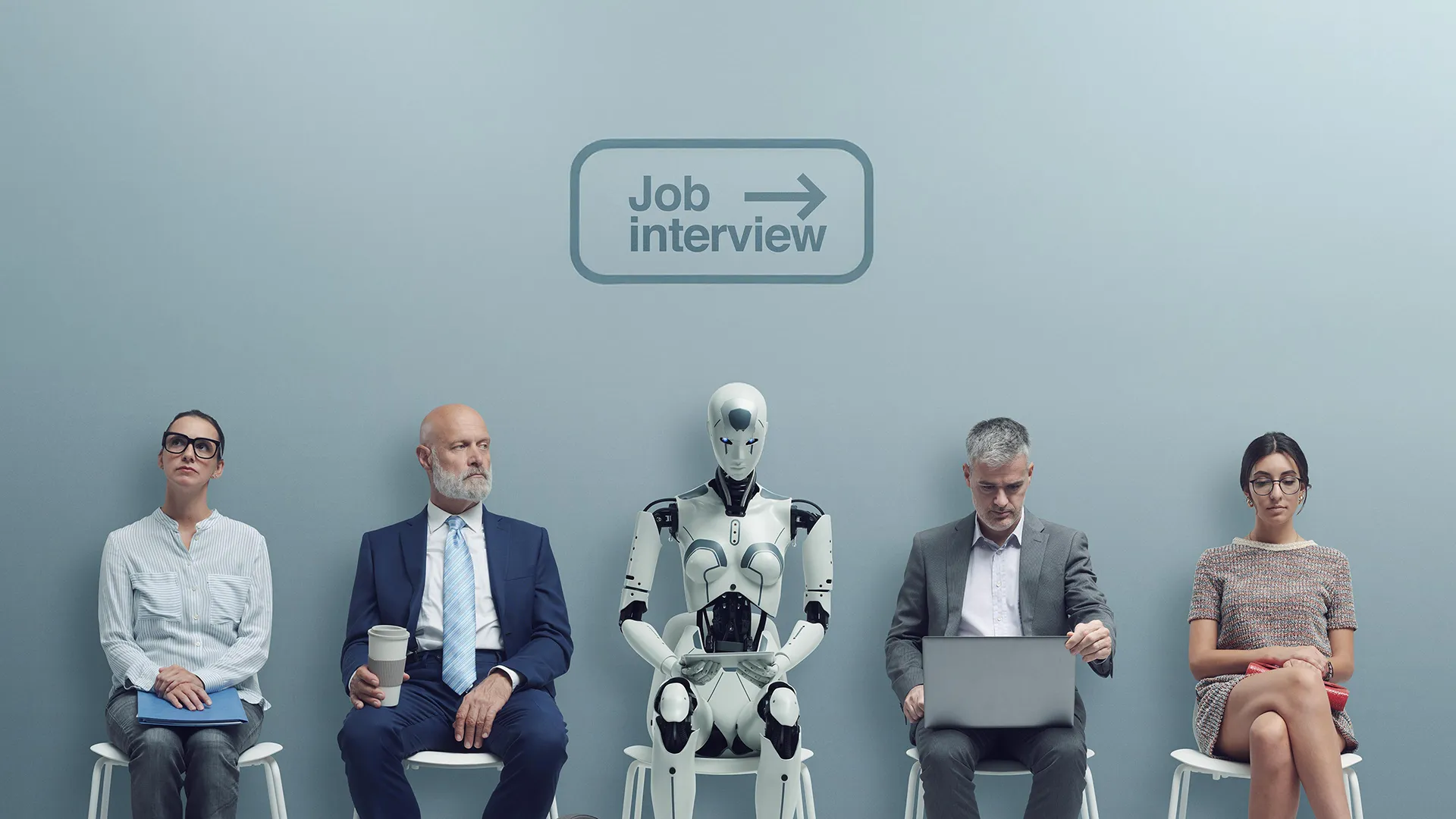
- Job displacement fears in creative roles
- Copyright and ownership issues
- Deepfake misuse and misinformation
- Loss of human originality if overused
- Data privacy and surveillance risks
Responsible use of AI, ethical guidelines, and human oversight are essential to address these challenges.
The Future of AI in Entertainment and Media.
The future of entertainment will likely be a collaboration between humans and AI, not a replacement. AI will continue to:
- Assist creators, not replace them
- Enable immersive experiences through VR and AR
- Support personalized storytelling
- Create new forms of interactive media
Human imagination, emotion, and cultural understanding will always remain at the heart of great entertainment.