


Artificial Intelligence (AI) is no longer the technology of tomorrow — it’s transforming our world today.
From diagnosing diseases faster to helping doctors make better decisions, AI in healthcare is reshaping how we approach medicine, patient care, and research.
This article explores how AI is revolutionizing healthcare in 2025 — its benefits, challenges, and the exciting innovations that are saving lives every day.
AI in Healthcare
Artificial Intelligence (AI) in healthcare refers to the use of machine learning, deep learning, and data-driven algorithms to analyze medical data and assist healthcare professionals.
AI systems can:
- Detect diseases in their early stages
- Predict patient outcomes
- Suggest personalized treatments
- Reduce human errors ⚙️
It’s like giving doctors a superpower — the ability to process millions of medical cases in seconds.
AI is Transforming Modern Healthcare.
Let’s explore the most powerful ways AI is reshaping healthcare in 2025
Early Disease Detection and Diagnosis.
AI can analyze X-rays, CT scans, and MRI results faster and more accurately than humans.
For example:
- Google’s DeepMind can detect over 50 eye diseases from retinal scans.
- AI-powered mammography tools can identify breast cancer signs much earlier than traditional methods.
This leads to early intervention and higher survival rates.
Predictive Analytics for Patient Care.
AI uses data from wearable devices, health apps, and electronic medical records to predict potential health issues.
Example:
- AI models can predict heart attacks or strokes before they happen based on real-time patient data.
It’s like having a digital guardian angel watching over your health 24/7.
Drug Discovery and Development
Traditionally, developing new medicines takes years and billions of dollars.
AI is changing that by:
- Analyzing molecular structures
- Simulating how drugs react in the human body
- Reducing research time from years to months
Companies like Insilico Medicine and Atomwise are already using AI to find new cancer and COVID-19 treatments faster.
AI-Powered Robotic Surgeries.
AI-assisted robots perform complex surgeries with unmatched precision.
They can analyze live data during surgery and adjust in real time — reducing recovery time and surgical risks.
Example: Da Vinci Surgical System
These robots don’t replace doctors — they enhance their skill and accuracy.
Virtual Health Assistants & Chatbots.
AI chatbots like Babylon Health and Ada Health allow patients to:
- Describe symptoms
- Get instant preliminary diagnosis
- Book doctor appointments
This helps patients receive faster medical guidance — even in remote areas.
Personalized Medicine.
AI helps doctors create treatment plans based on an individual’s genetics, lifestyle, and medical history.
For example, AI can predict which cancer treatment will work best for a specific patient — improving recovery chances dramatically.
Administrative Automation.
AI reduces the paperwork burden for doctors and hospitals by automating:
- Patient data entry
- Billing and insurance claims
- Appointment scheduling
This saves time and allows healthcare professionals to focus on patients, not paperwork.
Top AI Tools and Companies in Healthcare (2025).
| Company / Tool | Focus Area |
|---|---|
| IBM Watson Health | AI-based diagnosis & clinical insights |
| Google DeepMind | Medical imaging & disease prediction |
| Pfizer + IBM AI | Drug discovery |
| Siemens Healthineers | Radiology & imaging |
| PathAI | Pathology & lab analysis |
| Intuitive Surgical (Da Vinci Robot) | Robotic surgery |
These innovators are driving the next big medical revolution.
Benefits of AI in Healthcare.
Faster and more accurate diagnosis
Reduced medical errors
Cost-effective treatment plans
Improved patient experience
Global access to quality healthcare
AI makes healthcare smarter, faster, and more human.
Challenges & Ethical Concerns.
While AI offers huge benefits, it also brings some serious challenges:
- Data Privacy: Patient information must remain secure.
- Algorithm Bias: AI should treat every patient equally.
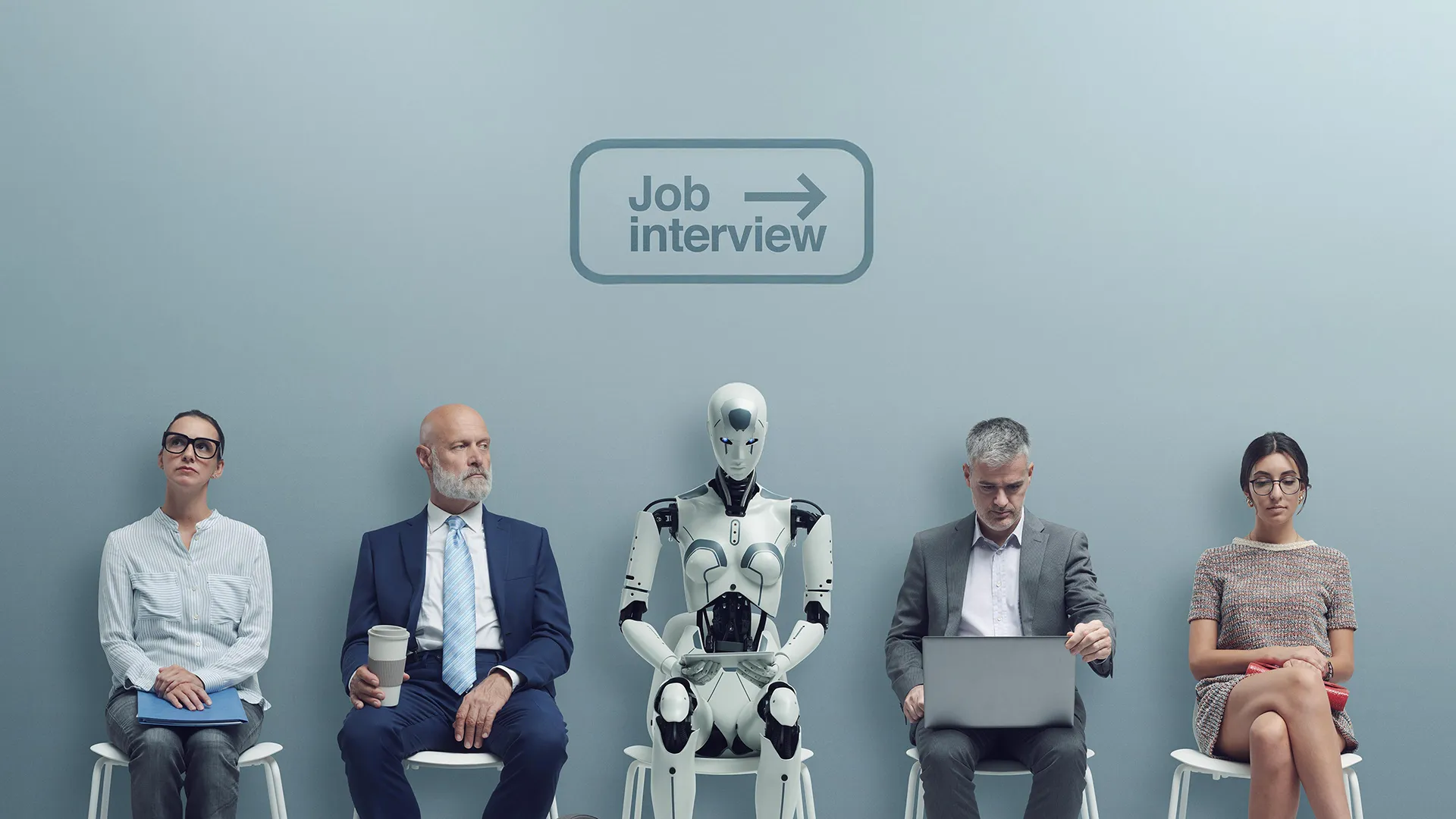
- Job Concerns: Some fear automation might replace human roles.
- Dependence on Technology: Doctors must still verify AI-based results.
Balancing innovation with ethics is the key to a healthy AI-powered future.
The Future of AI in Healthcare (2025 and Beyond).
The next generation of healthcare will be data-driven and AI-enhanced.
Imagine hospitals where:
- Robots assist in surgeries
- AI detects diseases before symptoms appear
- Virtual doctors treat patients from across the world
This is not science fiction anymore — it’s happening right now.