



Artificial Intelligence Kya Hai?
Aaj ke digital daur mein, “Artificial Intelligence (AI)” duniya ka sabse powerful aur trending topic ban gaya hai.
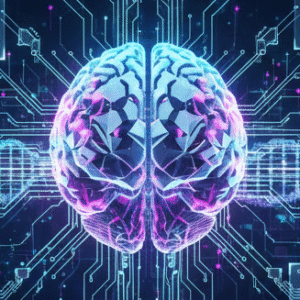
AI ka matlab hai — machines ko insaano ki tarah sochne, samajhne aur decision lene ki ability dena. 🧠
Simple words mein, AI wo technology hai jo human intelligence ko imitate karti hai.
Yani computer ya machine data se seekh kar khud se decision le sakti hai — bina har step pe human command ke.
AI ka use aaj har field mein ho raha hai — mobile apps, self-driving cars, chatbots, health diagnosis, aur even filmmaking tak.
Artificial Intelligence Ka Meaning Samajhiye.
“Artificial” ka matlab hota hai — man-made (insaanon ke dwara banaya gaya).
“Intelligence” ka matlab hai — samajhne, seekhne, aur sochne ki capacity.
➡️ Toh Artificial Intelligence ka matlab hua:
“Machine ki wo ability jisse wo human brain ki tarah soch sake, samajh sake, aur apni performance improve kar sake.”
Example:
- Jab aapka phone “face unlock” karta hai
- Jab YouTube aapko perfect videos suggest karta hai
- Jab ChatGPT aapke sawalon ka jawab deta hai
Toh ye sab AI ka kamaal hai!
Artificial Intelligence Kaise Kaam Karti Hai.
AI system data + algorithms + computing power par based hota hai.
- Data Collection:
Machine ko real-world data diya jata hai (images, text, sound, etc.). - Training:
AI models ko algorithms se train kiya jata hai taake wo pattern samajh sakein. - Decision Making:
Machine data analyze karke khud decision leti hai (jaise recommendation, detection, etc.). - Learning from Experience:
Jitna zyada data milega, AI system utna hi smart hota jaata hai — bilkul insaan ki tarah!
Artificial Intelligence Ke Types (3 Main Categories).
1. Narrow AI (Weak AI)
Specific tasks ke liye design ki gayi AI.
Example: Siri, Alexa, Google Assistant, ChatGPT, Netflix Recommendations.
2. General AI (Strong AI)
Machine jo har field me insaan ki tarah soch sake aur action le sake.
Ye abhi research stage me hai (future concept).
3. Super AI (Advanced Future AI).
Ye AI insaan se bhi zyada intelligent hogi — emotions, creativity aur self-awareness ke sath.
Ye abhi theoretical hai — but future me possible hai!
Artificial Intelligence Ke Real-World Uses.
1. Healthcare:
AI se diseases ka early detection aur robotic surgery possible ho gayi hai.
2. Transportation:
Self-driving cars (Tesla, Waymo) AI ke bina possible nahi thi.
3. E-commerce:
Amazon aur Flipkart AI se products recommend karte hain based on your interests.
4. Chatbots & Virtual Assistants:
ChatGPT, Alexa, Siri – sab AI tools hain jo natural conversation kar sakte hain.
5. Security & Surveillance:
Facial recognition aur fraud detection me AI use hoti hai.
6. Art & Creativity:
AI ab music, painting aur video editing bhi kar sakti hai (like Midjourney, Runway ML).
AI Ka Future – 2025 Aur Uske Baad.
AI har sector ko revolutionize kar rahi hai — education, finance, transportation, aur entertainment sab badal rahe hain.
Experts ke mutabiq, 2030 tak AI se duniya bhar me $15 trillion ka economic impact hoga!
Aane wale saalon me:
- Doctors ko AI assist karegi
- Factories automated hongi
- Smart homes aur cities common ho jayengi
- Freelancers aur developers ke liye naye AI tools milenge
AI Ke Challenges & Risks.
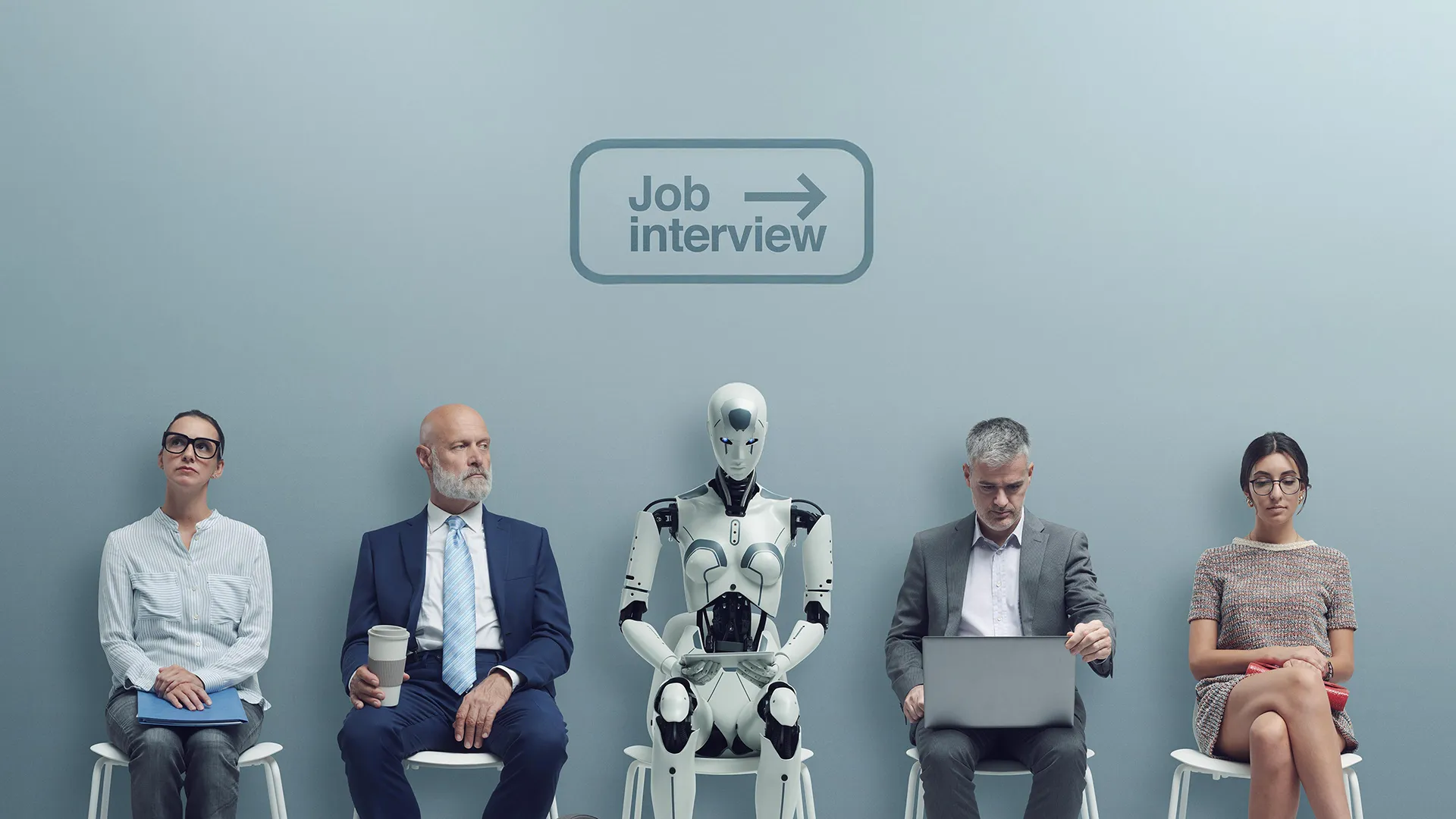
- Job losses due to automation
- Data privacy aur security issues
- AI bias – incorrect or unfair decisions
- Over-dependence on machines
Isliye governments aur companies AI ko ethical aur transparent banane par kaam kar rahi hain.
AI Seekhne Ka Tareeqa (For Students & Beginners).
Agar tum AI me career banana chahte ho to ye subjects zaroor seekho:
- Python Programming
- Data Science & Statistics
- Machine Learning
- Cloud Computing
- Neural Networks
Free learning platforms:
- Coursera
- edX
- Google AI
- YouTube channels (Simplilearn, Codebasics)